
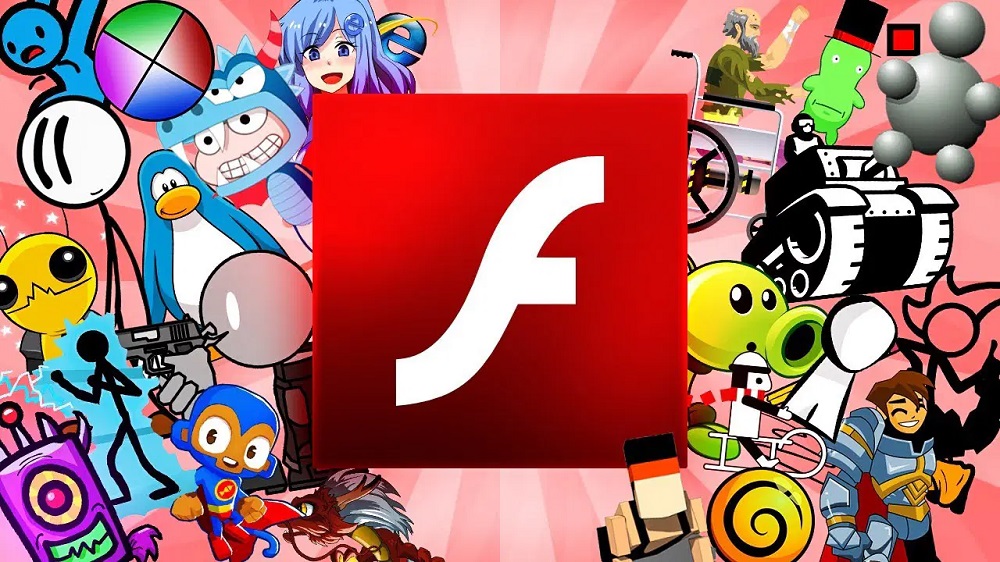

Flash games played a major role in shaping modern online entertainment. Long before app stores and advanced mobile graphics became standard, millions of players around the world enjoyed simple browser-based games built using Adobe Flash technology. These games were easy to access, quick to load, and available across thousands of websites, making them one of the earliest forms of widely distributed digital gaming.
Although Flash support officially ended in 2020, its influence continues to shape web gaming, indie development culture, and modern browser-based experiences. Understanding flash games provides valuable insight into the evolution of online gaming as a whole.
What Are Flash Games
Flash games are browser-based games created using Adobe Flash software and played directly through web browsers without requiring installation. They became extremely popular during the late 1990s and early 2000s because they allowed developers to distribute interactive content quickly and efficiently online.
Unlike traditional downloadable games, flash games offered instant access. Players could open a website and begin playing immediately.
Common characteristics of flash games included
- lightweight file sizes
- quick loading speeds
- simple control systems
- browser-based accessibility
- short session gameplay structure
These features made flash games especially appealing to students, casual players, and office workers seeking quick entertainment during short breaks.
The Rise of Flash Games in Early Internet Culture
Flash games gained popularity during a period when internet speeds were slower and computers had limited processing power. Because Flash technology allowed developers to create interactive experiences with minimal system requirements, it became the perfect platform for online gaming distribution.
Flash portals emerged as major hubs for players searching for free entertainment. These websites hosted thousands of titles across multiple genres, helping flash games reach global audiences.
Several factors contributed to their rapid growth
- free availability for users
- easy browser integration
- strong developer community support
- widespread compatibility across operating systems
As a result, flash games became one of the most influential digital entertainment formats of the early internet era.
Why Flash Games Became So Popular
Flash games succeeded because they removed many barriers traditionally associated with gaming.
Instant Accessibility
Players did not need to download large files or install additional software beyond the Flash plugin. This made gaming possible even on shared or school computers.
Short Play Sessions
Many flash games were designed for quick engagement rather than long story progression. This format suited players who preferred short breaks instead of extended gaming sessions.
Free-to-Play Model
Most flash games were available without payment. This encouraged experimentation and helped players discover new titles easily.
Creative Freedom for Developers
Flash technology allowed independent creators to design games without requiring large budgets or studio-level resources.
As a result, thousands of experimental and innovative titles appeared online during the peak years of Flash gaming.
Popular Types of Flash Games
Flash games covered a wide variety of genres. Their flexibility allowed developers to experiment with gameplay styles rarely seen in traditional gaming platforms at the time.
Platform Games
Platform titles were among the most recognizable flash games.
Typical features included
- side-scrolling environments
- obstacle navigation challenges
- enemy avoidance mechanics
- timing-based movement controls
These games helped players improve reflex coordination and timing accuracy.
Puzzle Games
Puzzle flash games attracted players who preferred logical challenges over action-based gameplay.
Common puzzle mechanics included
- pattern matching
- physics-based interaction
- object placement solutions
- number logic systems
Their simplicity made them accessible to players of all ages.
Tower Defense Games
Tower defense games became one of the defining genres of flash gaming.
Players were responsible for
- building defensive structures
- managing resources efficiently
- planning attack routes
- upgrading protection systems
These games encouraged strategic thinking and planning.
Action and Fighting Games
Action flash games introduced fast movement mechanics and combat systems using simple keyboard controls.
Players often experienced
- stick figure combat battles
- survival challenges
- weapon-based gameplay
- reaction-speed tests
Despite their simple visuals, these games delivered engaging gameplay experiences.
Famous Flash Games That Shaped Online Gaming
Several flash titles became globally recognized and influenced future game development trends.
Examples of widely remembered flash games include
- Bloons Tower Defense
- Line Rider
- Fancy Pants Adventure
- Stick War
- Alien Hominid
These games demonstrated that independent creators could build experiences capable of competing with larger studios in creativity and player engagement.
Many modern mobile and indie games still reflect design concepts first explored in flash titles.
How Flash Technology Worked for Games
Flash games relied on vector-based graphics instead of heavy bitmap textures. This approach allowed developers to create smooth animations without requiring advanced hardware resources.
Important technical advantages included
- efficient animation rendering
- small file storage requirements
- browser compatibility
- scalable graphics performance
Because vector graphics adjust easily across screen resolutions, flash games remained playable on a wide range of devices.
This flexibility contributed significantly to their global popularity.
The Role of Flash Game Websites
Dedicated flash game hosting websites helped organize and distribute thousands of titles across multiple genres.
These platforms allowed users to
- search games by category
- rate gameplay experiences
- share favorites with friends
- discover trending releases
Flash portals also helped independent developers reach audiences without needing traditional publishers.
This open distribution model influenced modern digital storefront platforms.
Why Adobe Flash Was Discontinued
Despite its success, Flash technology eventually became outdated as newer web standards improved browser performance and security.
Key reasons for its discontinuation included
- increased security vulnerabilities
- higher battery consumption on laptops
- incompatibility with mobile operating systems
- availability of faster alternatives such as HTML5
Modern browsers now rely on newer technologies that provide better performance and safer user experiences.
However, the legacy of flash games continues through preserved archives and emulation platforms.
How Flash Games Influenced Modern Gaming
Flash games introduced design principles still used in current gaming environments.
Major contributions include
Growth of Indie Game Development
Flash allowed independent creators to publish games globally without large development budgets.
This encouraged experimentation and innovation across multiple genres.
Expansion of Browser Gaming
Flash demonstrated that high-quality interactive experiences could exist inside web browsers.
Today, HTML5 browser games follow a similar approach.
Introduction of Casual Gaming Culture
Flash games helped normalize short-session gaming experiences.
This model later influenced mobile gaming platforms worldwide.
Early Online Player Communities
Flash portals encouraged social interaction through rating systems and comment sections.
These features inspired modern online gaming communities and forums.
Can Flash Games Still Be Played Today
Although Flash Player is no longer supported in modern browsers, several preservation projects keep classic flash games accessible through alternative platforms.
These archives allow players to continue experiencing historically important titles without requiring original plugins.
Modern technologies emulate Flash functionality using secure environments that maintain compatibility with older game files.
As a result, many classic flash games remain playable today despite the official end of Adobe Flash support.
Educational Benefits of Flash Games
Flash games were not only entertaining but also educational in many cases.
Students benefited from gameplay experiences that supported
- logical reasoning development
- hand-eye coordination improvement
- pattern recognition skills
- decision-making practice
Teachers sometimes used flash games in classrooms to introduce interactive learning methods before educational apps became common.
This helped shape early digital learning strategies.
Challenges Faced by Flash Game Developers
While Flash provided many opportunities, developers also encountered limitations.
Common challenges included
- restricted performance for complex graphics
- dependence on browser plugins
- limited support for advanced physics engines
- compatibility differences across browser versions
Despite these limitations, developers produced thousands of creative titles that remain memorable today.
The Cultural Legacy of Flash Games
Flash games influenced internet culture in ways that continue to shape gaming today.
Their legacy includes
- inspiring independent game studios
- introducing experimental gameplay mechanics
- encouraging community-driven creativity
- shaping early digital entertainment habits
Many professional developers working in today’s gaming industry began their careers creating flash games as hobby projects.
Because of this influence, flash gaming remains an important chapter in the history of interactive entertainment.
Frequently Asked Questions About Flash Games
Were flash games available on mobile devices during their peak popularity
Flash games were mainly designed for desktop browsers and were rarely optimized for early mobile devices.
Did flash games require powerful computers to run properly
Most flash games were designed to operate efficiently on low-performance systems with limited processing power.
Are flash games considered safe to download today
Players should only access preserved flash games through trusted archival platforms that maintain secure environments.
Why did schools often block flash game websites
Many schools restricted access because flash portals could distract students from academic activities during computer lab sessions.
Did flash games support multiplayer gameplay
Some flash games included local multiplayer or early online features, although most focused on single-player experiences.
How did developers distribute flash games before app stores existed
Developers uploaded their games directly to hosting websites where players could access them through browsers.
Are modern browser games similar to flash games in structure
Many modern browser games follow similar accessibility principles but use newer technologies that provide improved performance and security.